
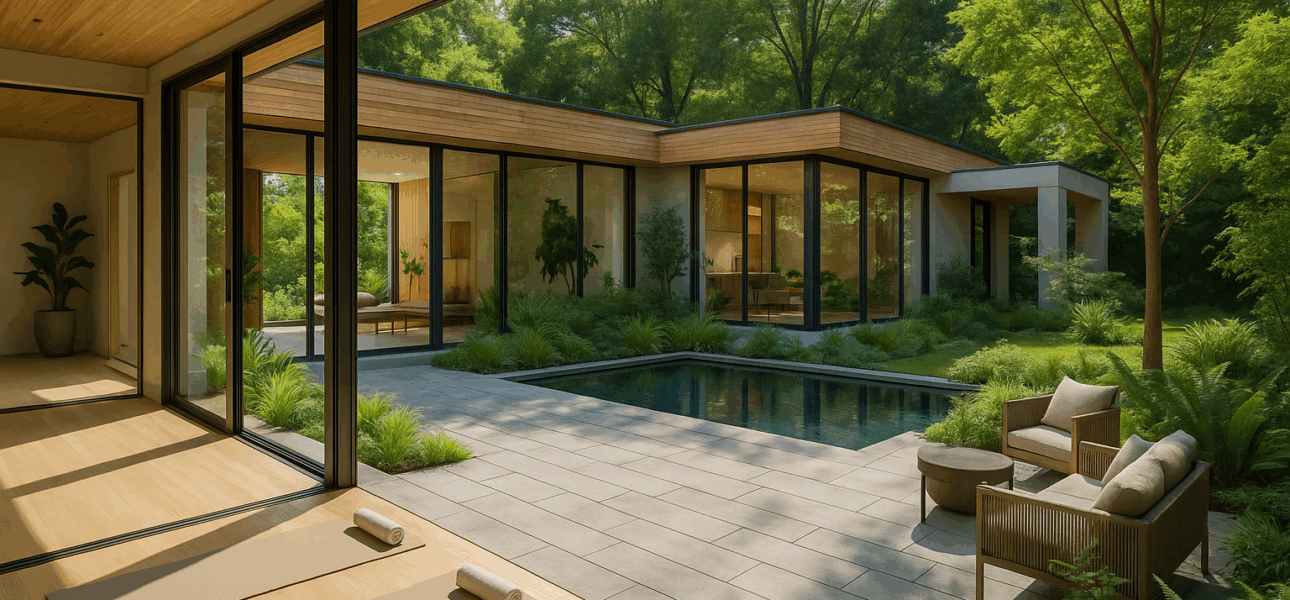
In 2025, the concept of home has evolved from being merely a place to live into a sanctuary designed to nurture every aspect of human wellness—mental, physical, emotional, and environmental. Wellness properties integrate science-backed design principles, cutting-edge technology, and mindful lifestyle features to create holistic living environments where residents thrive. This in-depth exploration highlights the key design features that define modern wellness homes, explaining their benefits and how EarthStar Properties can exemplify this transformative approach to real estate.

The Rise of Wellness-Driven Home Design
As health awareness surges globally, real estate buyers increasingly demand homes that do more than shelter; they seek environments that actively improve well-being. This shift is backed by research showing that our living spaces influence mood, cognition, sleep, and even longevity.
Developers and architects now prioritize wellness by embedding strategies that:
- Maximize connection with nature (biophilic design)
- Optimize air, water, and light quality
- Provide spaces for movement, mindfulness, and social connection
- Use sustainable, non-toxic materials promoting health and planet care
Together, these elements foster not only physical health but also emotional balance and cognitive vitality.
Biophilic Design: Nature as an Architect of Wellness
At the heart of wellness real estate lies biophilic design—the art and science of integrating nature into built environments. Humans have an innate affinity for natural elements, rooted deep in evolution, which biophilic architecture taps to restore mental clarity, reduce stress, and boost creativity.
Key Biophilic Features:
- Expansive Windows and Skylights: Flood interiors with natural sunlight, supporting circadian rhythms and vitamin D synthesis.
- Indoor Gardens and Living Walls: Introduce fresh air and green visuals that calm nerves and improve concentration.
- Natural Materials: Use wood, stone, and organic textiles to create sensory connection and tactile warmth.
- Water Features: Incorporate fountains or aquariums to produce soothing sounds and enhance air humidity.
Studies reveal that environments rich in natural elements can reduce stress by up to 30% and increase productivity by 15%.
Air and Water Quality: Foundations of Health
Indoor air quality is critically linked to respiratory health, cognitive performance, and sleep quality. Homes designed with wellness in mind implement:
- Advanced Air Filtration Systems: HEPA filters and ionizers reduce pollutants, allergens, and pathogens.
- Ventilation: Cross-ventilated layouts and mechanical ventilation systems ensure fresh air circulation.
- Water Purification: Multi-stage filtration eliminates contaminants, improving hydration and skin health.
Non-toxic paints, sealants, and flooring materials prevent chemical off-gassing, creating a clean, breathable environment essential for families, especially children and seniors.
Natural Light and Circadian Lighting
Natural daylight regulates our circadian rhythms governing sleep, hormone production, and mood. Wellness homes maximize this through:
- Large, Strategically Placed Windows: Allow morning sunlight to enter living and sleeping spaces.
- Light Shelves and Reflectors: Redirect diffuse sunlight deeper into rooms.
- Circadian Lighting Systems: LEDs that adjust color temperature and intensity throughout the day mimic natural sunlight cycles, helping transition between wakefulness and rest.
These lighting designs improve sleep quality, boost alertness, and reduce symptoms of Seasonal Affective Disorder (SAD).
Spatial Layout for Movement and Mindfulness
Homes should encourage physical activity and mental well-being through thoughtful spatial organization:
- Open Floor Plans: Facilitate fluid movement and social interaction, reducing feelings of confinement.
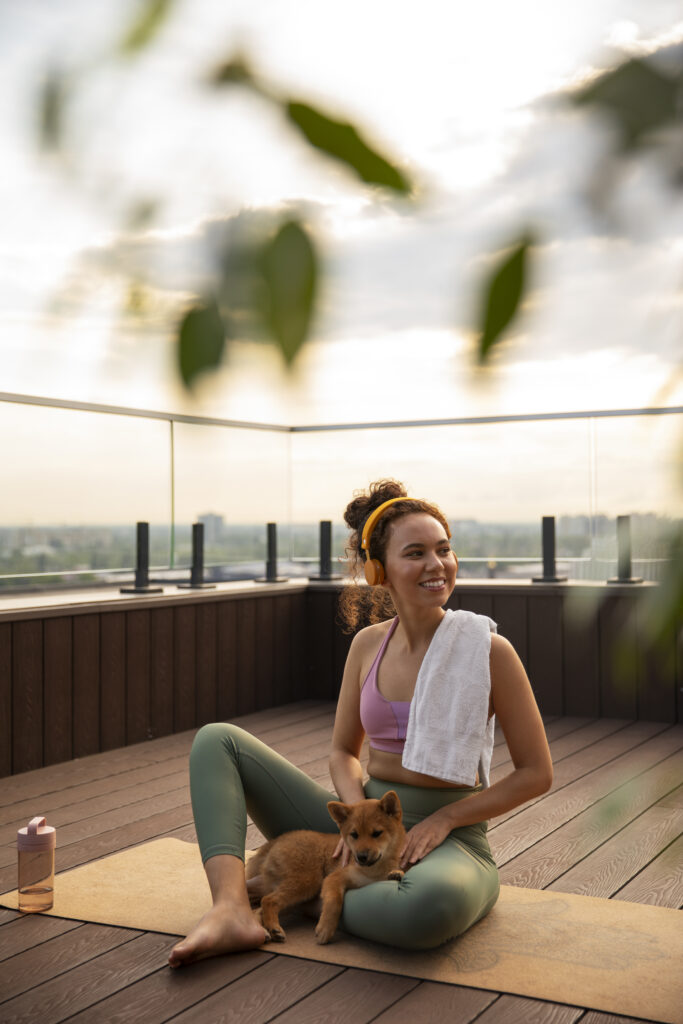
- Dedicated Wellness Rooms: Spaces for yoga, meditation, or stretching with calming views and natural elements.
- Fitness Areas: Home gyms or exercise corners equipped with wellness technology and ergonomic design.
- Quiet Zones: Soundproof nooks for reading or relaxation to foster mental rest.
Integrating indoor-outdoor flow from patios or decks encourages residents to engage with nature daily, boosting vitamin D and reducing anxiety.
Sustainable and Non-Toxic Materials
Sustainability overlaps fundamentally with wellness. Healthy homes start with reducing occupant exposure to toxic chemicals, achieved by:
- Using low-VOC (volatile organic compounds) paints and finishes.
- Selecting naturally sourced woods and recycled materials.
- Installing energy-efficient appliances and HVAC systems to lower emissions.
- Designing for water and energy conservation with rainwater harvesting and solar power.
These choices create safe, eco-friendly living spaces that reduce utility bills and environmental footprints.
Technology as a Wellness Enabler
Smart home systems enhance wellness through automation and real-time health monitoring:
- Air and Water Quality Sensors alert to pollutants or contaminants.
- Automated Lighting and Climate Control optimize environmental comfort 24/7.
- Sleep and Activity Trackers integrated into bedrooms for personalized health feedback.
- Voice-Activated Wellness Features, such as meditation guides, ambient sounds, and aromatherapy diffusers.
Tech bridges modern convenience with personalized care, making health-conscious living effortless.
Emotional and Social Wellness Supports
Beyond physical health, wellness homes help nurture social bonds and emotional resilience:
- Communal Spaces that encourage neighbor interaction—gardens, lounges, rooftops.
- Flexible Interiors adapting to multigenerational or shared living arrangements.
- Wellness Programming like workshops, mindfulness classes, or group fitness to cultivate a supportive community.
These aspects reinforce feelings of belonging, proven to bolster mental health and longevity.
Future Trends in Wellness Home Design
Looking ahead, we expect more integration of:
- Neuroarchitecture Principles optimizing sensory inputs for emotional calm and cognitive focus.
- Greater emphasis on aging-in-place design features enhancing mobility and safety for all ages.
- Increased use of renewable energy with zero-carbon designs supporting climate and human health.
EarthStar Properties can lead this evolution by championing evidence-based, beautifully crafted wellness homes that inspire holistic, sustainable living.