
Luxury living and sustainability were once seen as opposing ideals—many assumed green building meant compromising on lavish features. However, in 2025, the convergence of eco-consciousness and upscale real estate has transformed wellness properties into high-end sanctuaries that showcase how sustainability can enhance both environmental stewardship and resident well-being. This article explores how eco-friendly luxury has become a critical pillar of wellness living, detailing sustainable technologies, materials, and lifestyle benefits that make these residences the gold standard in modern real estate.

The Changing Definition of Luxury in Wellness Real Estate
Today’s luxury real estate market increasingly emphasizes health, sustainability, and mindfulness. Buyers don’t just want opulent finishes; they desire homes that support longevity, reduce their carbon footprint, and foster deeper connections to nature. This shift is echoed in developer priorities, with green practices now fundamental to high-end communities.
Wellness residences blend eco-conscious innovations with upscale amenities such as spa facilities, organic gardens, and smart-home comforts to redefine luxury as a responsible, health-promoting lifestyle.
Green Building Certifications: A Mark of Sustainable Excellence
Sustainability begins at the blueprint stage, where developers opt for certified standards that guarantee eco-friendly construction and operation:
- LEED (Leadership in Energy and Environmental Design) certification ensures energy efficiency, water conservation, and toxin reduction.
- IGBC (Indian Green Building Council) promotes sustainable materials, waste reduction, and biodiversity preservation, crucial in India’s evolving real estate market.
- WELL Building Standard focuses specifically on human health, prioritizing air and water quality, lighting, and mental wellbeing.
Residences hosting such certifications deliver proven ecological and health benefits, reassuring buyers of their value and impact.
Energy Efficiency and Renewable Power
State-of-the-art wellness homes integrate multiple strategies to minimize energy consumption:
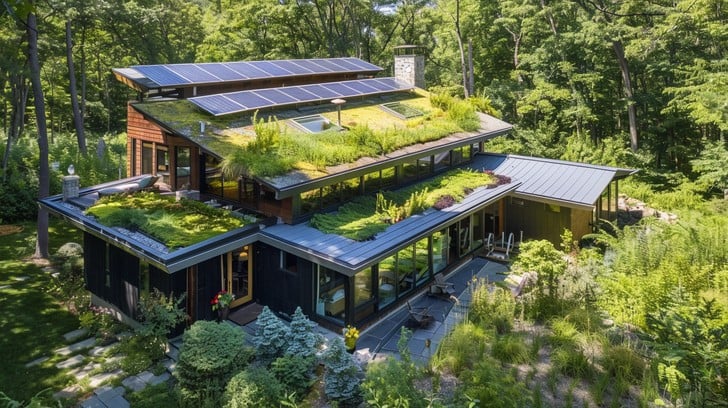
- Solar Panels and Photovoltaic Systems offer clean, renewable electricity that lowers utility costs and carbon emissions.
- Energy-Efficient Appliances and Lighting reduce power draw without compromising comfort or style.
- Smart Energy Management Systems automate heating, cooling, and lighting to optimize usage patterns based on resident habits and weather conditions.
By harnessing renewable energy, these homes contribute to combating climate change—a key factor for environmentally savvy buyers.
Water Conservation and Management
Sustainable residences adopt water-saving techniques vital for wellness and resource preservation:
- Rainwater Harvesting Systems capture and reuse rainwater for irrigation and non-potable needs.
- Greywater Recycling treats and repurposes bath and sink water, reducing wastewater discharge.
- Low-Flow Fixtures and Smart Irrigation minimize consumption without sacrificing luxury.
Cleaner water management supports bodily health, reduces costs, and preserves local ecosystems.
Organic and Low-Impact Landscaping
Landscaping in wellness residences showcases native, drought-resistant plants that enhance biodiversity and reduce maintenance:
- Organic gardening avoids harmful pesticides and fertilizers, producing safer food and improving soil health.
- Green roofs and vertical gardens cool buildings, reduce pollution, and provide residents therapeutic greenery access.
- Outdoor spaces encourage physical activity, social connection, and engagement with nature.
Such eco-friendly landscaping contributes substantially to emotional and physical wellbeing.
Non-Toxic, Sustainable Materials
High-quality, sustainable materials create healthy indoor environments while embodying natural beauty:
- Use of FSC-certified woods, bamboo, reclaimed timber, natural stone, and breathable natural fabrics.
- Avoidance of plastics, formaldehyde-based composites, and volatile organic compounds (VOCs) to prevent off-gassing.
- Durable materials that limit landfill waste through longevity and recyclability.
This conscious materiality strengthens the link between a luxurious aesthetic and wellness performance.
Smart Technologies Empowering Sustainable Living
Wellness residences increasingly feature advanced smart systems that enhance not only health but environmental responsibility:
- Automated lighting and HVAC tailored to occupancy and ambient conditions reduce waste.
- Sensors track energy/water usage, empowering residents to make eco-friendly decisions.
- Integrated health-monitoring devices provide feedback on indoor air quality, humidity, and sleep environment.
Technology thus forms an invisible ecosystem supporting both comfort and conservation.
Enhancing Resident Wellbeing Through Sustainability
Eco-friendly luxury is not only good for the planet but directly benefits residents:
- Cleaner air and water reduce allergy and asthma risks.
- Natural lighting and views improve mood and productivity.
- Access to green recreational spaces supports fitness and social wellbeing.
- Lower energy bills increase financial peace of mind and disposable income.
Cultivating these health outcomes is central to sustainable wellness homes’ appeal.
Exemplary Projects Bridging Eco and Luxury
Leading developments worldwide illustrate how well-integrated sustainability enhances luxury:
- Residences with rooftop solar gardens offering community gardening and relaxation zones.
- Buildings with passive solar design, natural ventilation, and eco-certified materials throughout interiors.
- Wellness neighborhoods featuring electric vehicle charging, pedestrian-friendly green corridors, and rainwater-fed water features.
These projects attract discerning buyers keen on investing in healthful, future-facing lifestyles.
Challenges and Opportunities in Eco-Luxury Wellness Residences
While demand grows, developers face challenges such as higher upfront construction costs, sourcing certified materials, and educating buyers on long-term benefits. However, market data indicates:
- Long-term cost savings on utilities and maintenance offset initial investments.
- Buyers increasingly prioritize ecological values as a non-negotiable luxury marker.
- Government initiatives and incentives promote green building frameworks in many regions.
With strategic planning, these challenges can be navigation points toward leadership positions in the wellness real estate market.
How EarthStar Properties Can Lead the Eco-Friendly Luxury Movement
EarthStar Properties is uniquely positioned to set trends by:
- Embedding green building certifications in every new project.
- Partnering with sustainable material suppliers and eco-technology innovators.
- Offering educational programs on sustainable living for residents.
- Designing lush, multifunctional green spaces promoting health and community.
By aligning luxury living with sustainability, EarthStar can attract health-conscious, environmentally aware clientele while shaping the future of wellness residential real estate.