
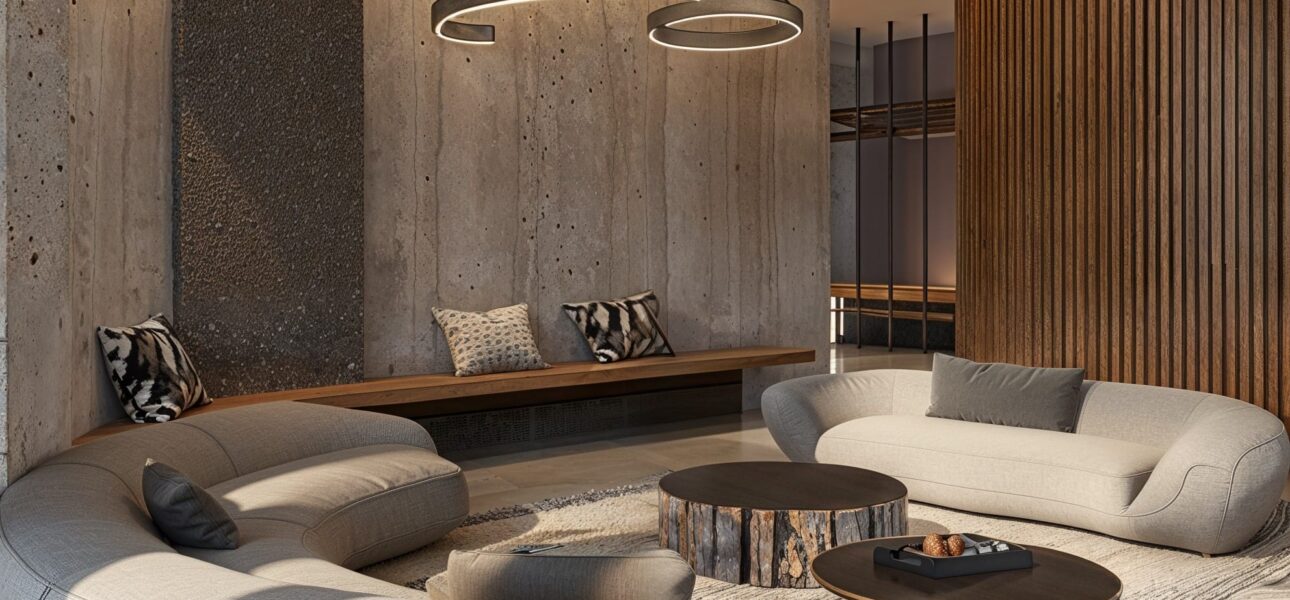
In today’s fast-paced, hyper-connected world, finding peace within the walls of one’s home has become both a necessity and a profound luxury. Mindfulness—a practice rooted in present-moment awareness—is not only a wellness tool but a design philosophy revolutionizing how homes are created and inhabited. For EarthStar Properties, embracing mindfulness in home design means crafting spaces that go beyond physical comfort to nurture mental calm, emotional balance, and spiritual rejuvenation for residents. This article explores the essential elements and actionable ideas for creating mindful, tranquil homes tailored for wellness-conscious buyers in 2025.


What is Mindfulness in Home Design?
Mindfulness, originating from ancient meditation practices, involves deliberate attention to the present moment with openness and without judgment. Translated into interior design, this means cultivating spaces that promote clarity, reduce stress, and invite contemplation through simplicity, natural elements, and purposeful layout.
Unlike ornate or cluttered aesthetics, mindful homes emphasize essentials over excess, inspired by minimalism and slow design principles. The goal is to foster environments where the mind can settle, creativity can surface, and daily life flows with ease and intention.
The Importance of a Mindful Home Environment
Scientific studies underscore the impact of home environments on mental health. Cluttered, noisy, or poorly lit spaces trigger anxiety, distractibility, and fatigue, whereas calm, harmonious spaces reduce cortisol levels, improve sleep, and enhance emotional resilience.
Mindful design is especially essential as many people now work, live, and relax in the same place due to remote work trends accelerated by the recent global shifts. Homes that thoughtfully incorporate mindfulness foster productivity, reduce burnout, and support overall wellbeing.
Key Elements of Mindful Home Design
1. Prioritize Open, Decluttered Spaces
The foundation of mindfulness in the home begins with decluttering and clear organization. Free-flowing, open spaces with minimal visual distractions help the mind focus and relax. This means letting go of unnecessary furniture, decorative items, and knickknacks, leaving only those that serve a function or bring joy—a concept resonant with Marie Kondo’s organizational philosophy.
Open floor plans or rooms with fewer physical and visual barriers encourage movement and create a sense of spaciousness and calm.
2. Embrace Natural Light and Soft, Dim Lighting
Natural light supports circadian rhythms, lifts mood, and enhances alertness. Maximize sunlight with large windows, skylights, and light-colored walls that reflect illumination. Where natural light is limited, install warm, dimmable lighting that mimics sunset tones, reducing blue light exposure in the evenings that disrupts sleep.
Lighting should be set to encourage relaxation in the evenings and energy during the day, possibly automated to follow natural cycles.
3. Use Earthy Tones and Calming Colors
Color psychology plays a vital role in mindfulness. Soothing palettes inspired by nature—soft greens, warm ochres, gentle blues, and muted neutrals—create serene spaces that ground occupants emotionally. Avoid harsh or overly bright colors that overstimulate.
Textures matter too; natural fabrics like linen, cotton, and wool add tactile comfort that encourages touch and sensory engagement.
4. Incorporate Natural Materials and Plants
Biophilic design principles—bringing nature indoors—are central to mindfulness. Use wood, stone, clay, and plant life generously for visual, tactile, and olfactory connection to the natural world. Houseplants improve air quality and add greenery that soothes the eyes.
Water features such as small fountains or aquariums introduce gentle sounds that relax the nervous system.
5. Create Dedicated Quiet and Mindful Zones
Designate spaces specifically for mindfulness practice—meditation corners, yoga areas, or simple reading nooks. These areas should be free from tech distractions and clutter.
Elements to include:
Comfortable seating like floor cushions or ergonomic chairs.
Soft blankets, natural candles, or diffusers with calming essential oils (lavender, sandalwood).
Small altars or objects symbolizing peace and reflection.
6. Use Minimal Technology and Designate Tech-Free Zones
While smart homes bring convenience, overuse of technology fragments attention. Establish tech-free zones (such as bedrooms or mindfulness corners) to encourage disconnection and presence. Concentrate devices in shared or utility spaces away from relaxation areas.
7. Soundscaping for Calm
Incorporate soft, natural soundscapes—like ocean waves, rustling leaves, or gentle rain—via speakers or water features. Sound healing practices, such as Tibetan singing bowls or chimes, can enhance mindfulness rituals.
8. Organize Mindfully With Function and Beauty
How belongings are stored affects mental clarity. Storage solutions should blend function with aesthetics, keeping essentials visible and accessible, while hiding clutter.
Furniture with clean lines and smooth surfaces supports the minimalist ethos, while cozy fabrics and rounded edges invite comfort.
9. Reflect Personality in Mindful Design
Mindfulness is deeply personal. A mindful home reflects the occupant’s values and preferences—be it through art, books, color choices, or cherished objects. Authenticity supports a deeper sense of belonging and peace.
Practical Tips for EarthStar Properties to Implement Mindfulness Design
- Consult wellness and mindfulness experts in the architectural and interior design planning process.
- Create model homes with mindful spaces showcasing calming palettes, natural materials, and decluttered layouts.
- Offer residents workshops and guidance for cultivating mindful living routines at home.
- Integrate biophilic elements such as indoor greenery and natural light optimization in all developments.
- Designate quiet community rooms or gardens where residents can meditate or engage in gentle movement.
Conclusion
Mindfulness at home is an essential component of the modern wellness lifestyle. By intentionally designing for calm, presence, and connection, EarthStar Properties can set a new benchmark in real estate that aligns deeply with the evolving needs of health-conscious buyers. Mindful homes promote not just survival, but flourishing—making every residence a true sanctuary.