
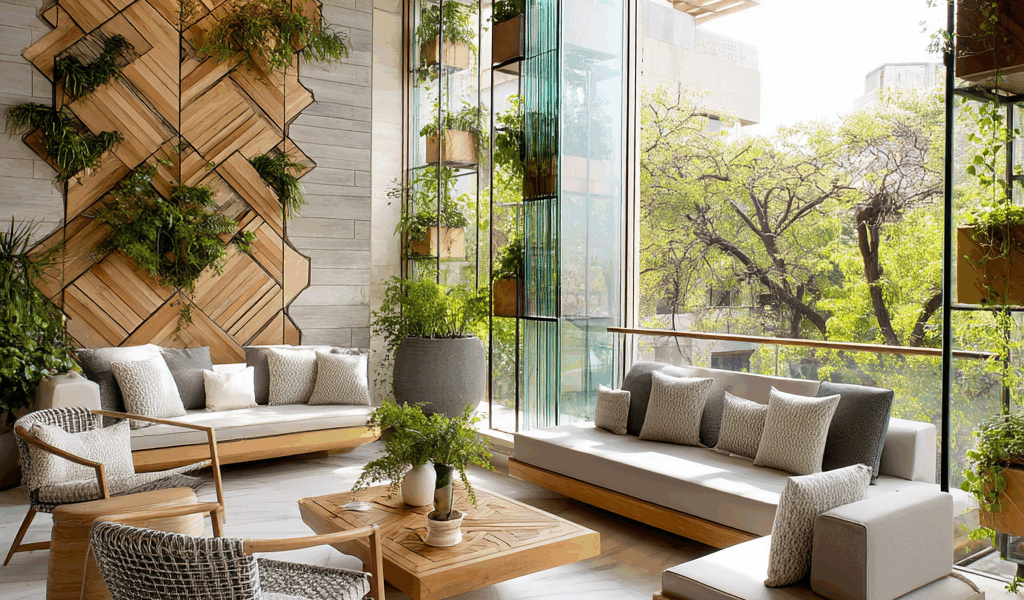
In the pursuit of wellness, the natural environment plays a pivotal role. In 2025, design philosophies rooted in biophilic principles—that is, consciously reconnecting people with nature—are increasingly shaping residential real estate. For EarthStar Properties, championing this integration means not just building houses, but creating living ecosystems where residents can experience the healing, restorative powers of nature every day.
This article explores why nature’s presence inside our homes is essential to holistic wellness, how to design for seamless indoor-outdoor flow, and practical ideas for EarthStar’s wellness properties.

The Science Behind Nature and Wellbeing
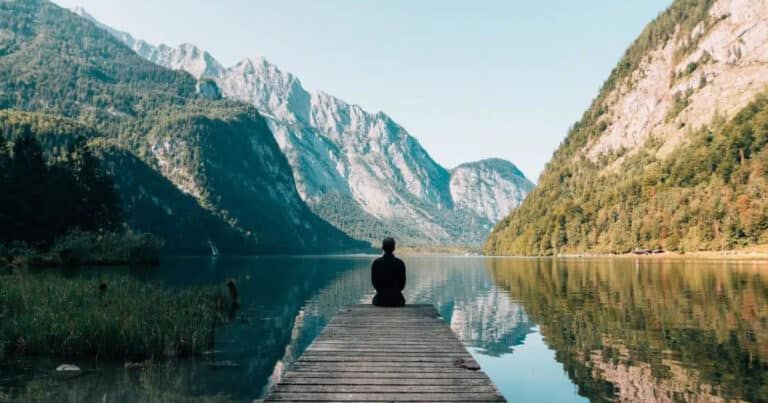
Decades of research confirm that exposure to natural elements—sunlight, plants, fresh air, and water—leads to profound health benefits:
- Reduced stress hormones such as cortisol.
- Lowered blood pressure and heart rate.
- Increased cognitive function and creativity.
- Enhanced mood and reduction in anxiety and depression symptoms.
- Improved immune system response.
- Faster recovery from illness.
This evidence underscores that nature is not a decoration but a critical component of human health embedded in architectural design.
Biophilic Design: Definition and Principles
Biophilic design weaves natural systems and elements into the built environment. Its attributes include:
- Direct connections with nature: views, natural materials, plant life.
- Indirect connections: natural shapes, colors, images.
- Spatial relationships: refuge spaces, open vistas, transitions between indoors and outdoors.
In wellness residences, biophilic principles are applied through window placements, use of organic materials, green walls, water features, and natural ventilation.
Strategies to Bring Nature Indoors
1. Maximizing Natural Light
Light is a fundamental factor linking indoor spaces to nature. Designing with south-facing windows, light wells, and skylights ensures interiors are drenched with sunlight. This not only uplifts ambiance but supports circadian rhythms, vital for balanced sleep-wake cycles.
Reflective surfaces and light-colored walls enhance dispersed daylight.
2. Indoor Gardens and Green Walls
Incorporating plants inside homes purifies air and provides visual softness. Vertical gardens or “living walls” add aesthetic appeal while maximizing space.
Selecting native, air-purifying plants ensures low maintenance and effective air cleansing.
3. Use of Natural Materials
Wood, stone, clay, and bamboo produce tactile textures that connect occupants to earth’s elements. Such materials regulate humidity and temperature while evoking warmth and tranquility.
Furniture crafted from natural fibers or recycled organic materials continues this connection.
4. Fresh Air and Natural Ventilation
Designing homes to promote airflow with operable windows, internal courtyards, and cross-ventilation improves air quality and thermal comfort. Indoor air free from pollutants strengthens respiratory health.
Implementing air filtration systems complements natural ventilation.
5. Water Elements
Water has a calming effect on human psyche. Indoor features such as fountains, aquariums, or water walls introduce soothing sounds and balanced humidity.
Their presence lowers stress and enhances focus.
6. Seamless Indoor-Outdoor Transitions
Integrating patios, decks, balconies, or sunrooms creates intermediate zones that blend interior comforts with outdoor ambiance. Glass walls that slide or fold open remove physical barriers.
Landscaped views augment this connection, providing daily opportunities to engage with nature.
Practical Applications for EarthStar Properties
- Design homes with generous glass facades oriented to capture natural light and views.
- Incorporate green terraces and balconies offering gardening space and fresh air.
- Use locally sourced, natural building materials to minimize carbon footprint.
- Integrate common gardens and walking trails that connect residences with natural surroundings.
- Include water features in community spaces and selective interiors.
- Employ smart window and ventilation control systems to optimize air quality.
Enhancing Mental and Physical Health
Integrating nature indoors combats “nature deficit disorder”—the modern phenomenon of disconnection from natural environments linked with anxiety and depression.
Residents of biophilic homes report greater calm, creativity, and overall happiness. Physically, such environments support immune function and recovery from stress or illness.
The Competitive Edge of Nature-Infused Wellness Homes
As wellness real estate markets mature, EarthStar Properties’ commitment to biophilic design creates a distinct competitive advantage. Homes offering this profound link to nature attract discerning buyers seeking more than aesthetics—seeking sanctuaries for mind, body, and soul.
Conclusion
Bringing the outdoors inside is not a trend, but a return to the essence of human wellbeing. By embedding nature deeply into home design, EarthStar Properties can shape the future of wellness living where every day resonates with health, peace, and joy.